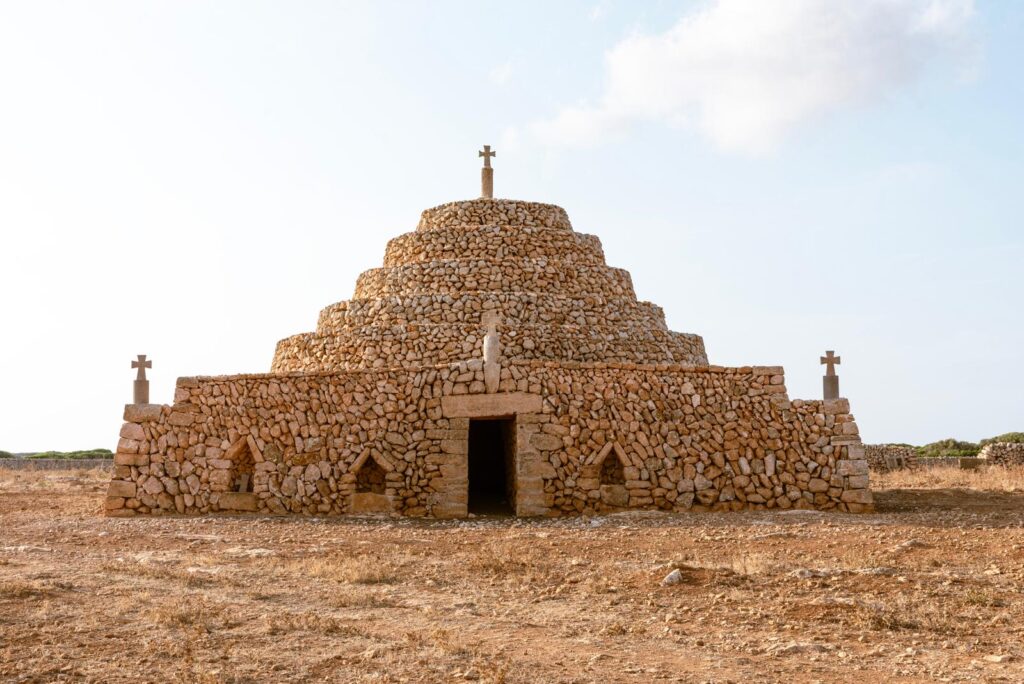
Menorca has recovered one of the most representative dry-stone constructions in the island’s ethnological heritage complex. This is the Barraca de Sa Tanca d’Enmig, located at the farm of Ses Truqueries, north of Ciutadella. An estate that belongs to the group of properties and heritage assets of the Fundación José María de Olives y de Ponsich, Conde de Torre-saura (hereinafter, the Torre-saura Foundation).
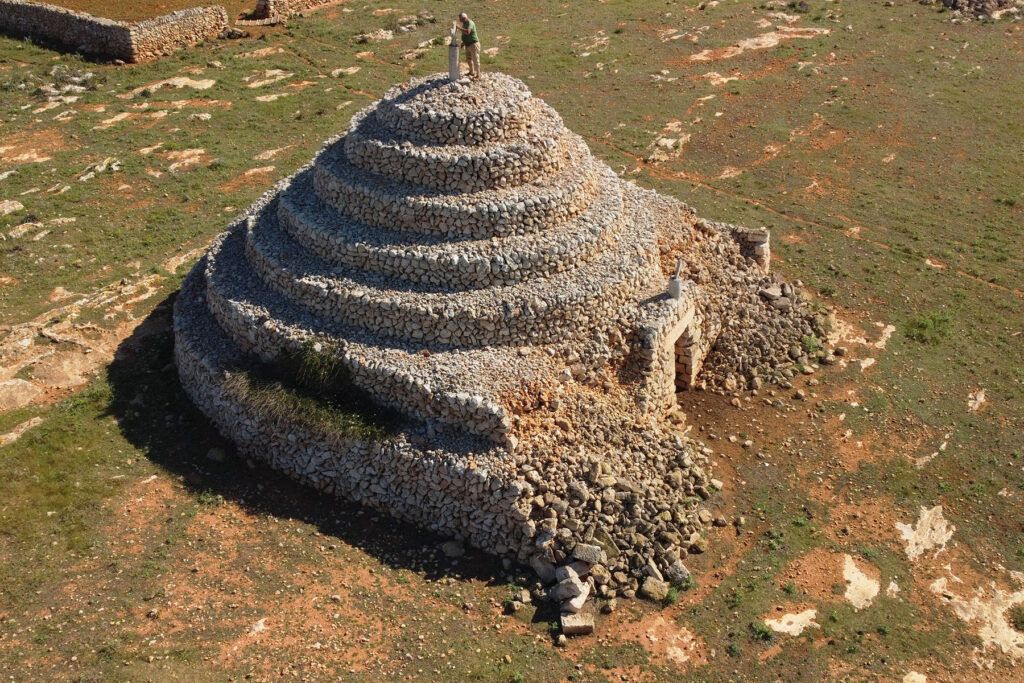
This spring, the restoration of the hut was carried out, the structure of which had been in poor condition for many years due to the passage of time and storms in the area, which had caused various collapses. With the work and interventions carried out in April, the structure has been able to regain its original state.
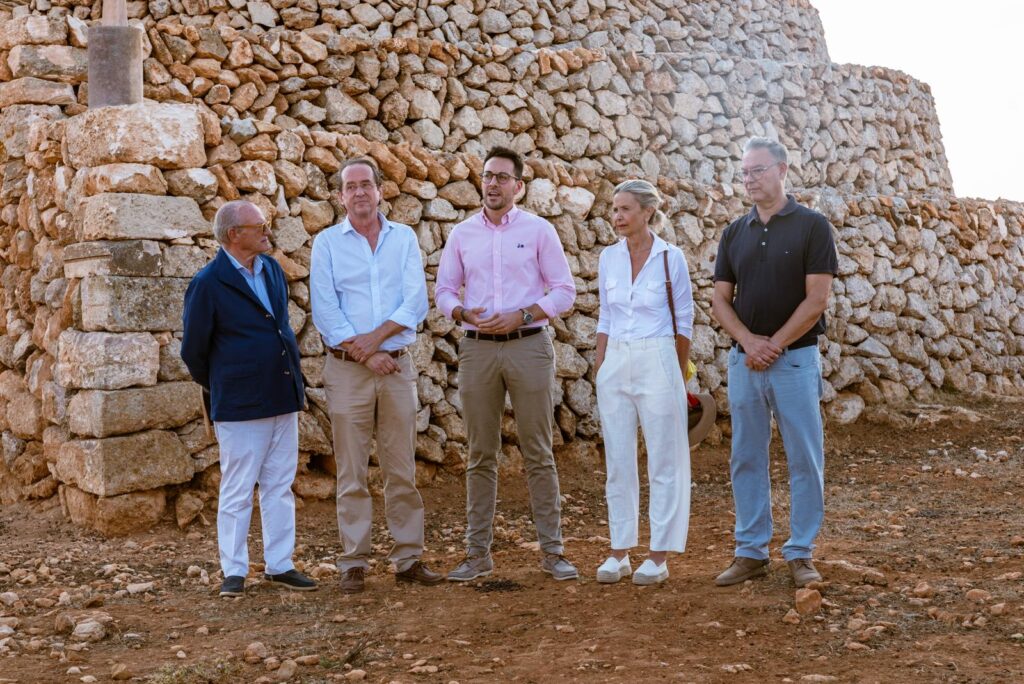
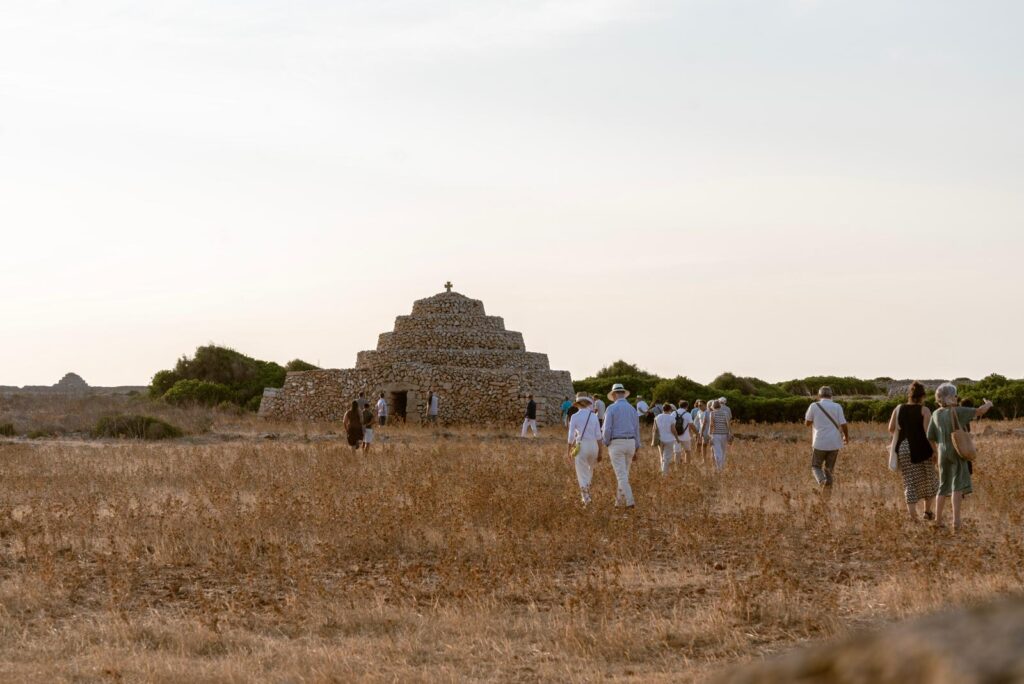
A milestone was celebrated this Friday with the presentation of the restoration project —already completed— at the hut itself. The event was attended by various representatives of the Torre-saura Foundation and, specifically, featured remarks by its vice president, Guillermo de Olives Olivares, and by the head of historical heritage, Antoni Camps Extremera.
The restoration has also been made possible thanks to an economic contribution of €8,485 from the Menorca Council, through the subsidies for “actions to improve the knowledge, safeguarding, and dissemination of Menorca’s historical heritage.” Representing the island institution, the Councillor for Culture, Joan Pons Torres, attended the event.
The restoration
The Barraca de Sa Tanca d’Enmig is a livestock barn. A dry-stone structure covering an approximate area of 175 square meters and standing over 5 meters high. It is, along with the Cas Comte barn, one of the most monumental and representative examples of Menorca’s ethnological heritage. Additionally, it is located in an area of high natural and scenic value.
For its restoration, the barraca‘s original materials were preserved, without damaging its architectural, historical, and ethnological value and preserving its typological characteristics. Stone that had fallen from the structure itself was used, and after being cleaned, it was rebuilt using the traditional dry-stone technique. In other words, by hand and in a handcrafted manner.
With the collaboration of the Martí Bella volunteers
The restoration was carried out by stonemason Gabriel Pons and his team, under the supervision of historical heritage technician Antoni Camps. In addition, volunteers from GIBET also collaborated. A group from the Societat Històrico-Arqueològica Martí Bella, which precisely aims to promote and raise awareness among the Menorcan community about the importance of preserving ethnological heritage as part of the island’s historical and cultural legacy. In this case, they participated in the work of cleaning and sorting the fallen stone, as well as in tasks of clearing vegetation from the area around the huts.
The origin of the huts
Livestock huts are a fairly common type of structure in Menorca. Their origin stems from the need of early farmers to remove the excess surface limestone in order to plow the land and, at the same time, give it a livestock function.
The larger ones, such as the Barraca de Sa Tanca d’Enmig, were built between the 18th and 19th centuries and were a visible symbol of the power and social status of Menorca’s landowning families.
Nowadays
Since 2022, the farmhouse at Ses Truqueries property has housed the restaurant Nonna Bazaar. The idea is to incorporate the Barraca de Sa Tanca d’Enmig as an attraction of the establishment and for visiting it to add value for its customers.
Gemma Carrasco. Photographs by Angel Roca and Sonia Rotger – Talaia Cultura SL