THE MENORCAN NOBILITY: THE OLIVES AND QUART LINEAGES
History
1287
Kings Alfonso III of Aragón and Jaime II of Mallorca after the Christian conquest.
The granting of noble titles in Menorca can be classified into two groups. Firstly, those supposedly granted by Kings Alfonso III of Aragón and Jaime II of Mallorca after the Christian conquest of 1287, which marked the end of the Muslim period in the island's history, for which there is no clear evidence due to the destruction of archives in the Ottoman assault of 1558. And, secondly, the titles of nobility granted from the second half of the 16th century by the Spanish monarchs of the Houses of Austria and Borbón for services or donations to the Crown or the Church.
1818
The county of Torre-saura, title granted in 1818.
The County of Torre-saura, title granted in 1818 by King Fernando VII to Bernat Ignasi Olives Olives (1767-1833), corresponds to this second group, although it is worth mentioning the connection of the Olives family—who already boasted illustrious ancestry—with another ancient and distinguished knighthood granted by Felipe II to Joan Quart Riudavets in 1589, a descendant of Bernat Quart, whose nobility and possession of Torre d'en Quart would have received from Alfonso III after the conquest. The palace in which we find ourselves is partly built on the site of the old Quart house.
The Counts
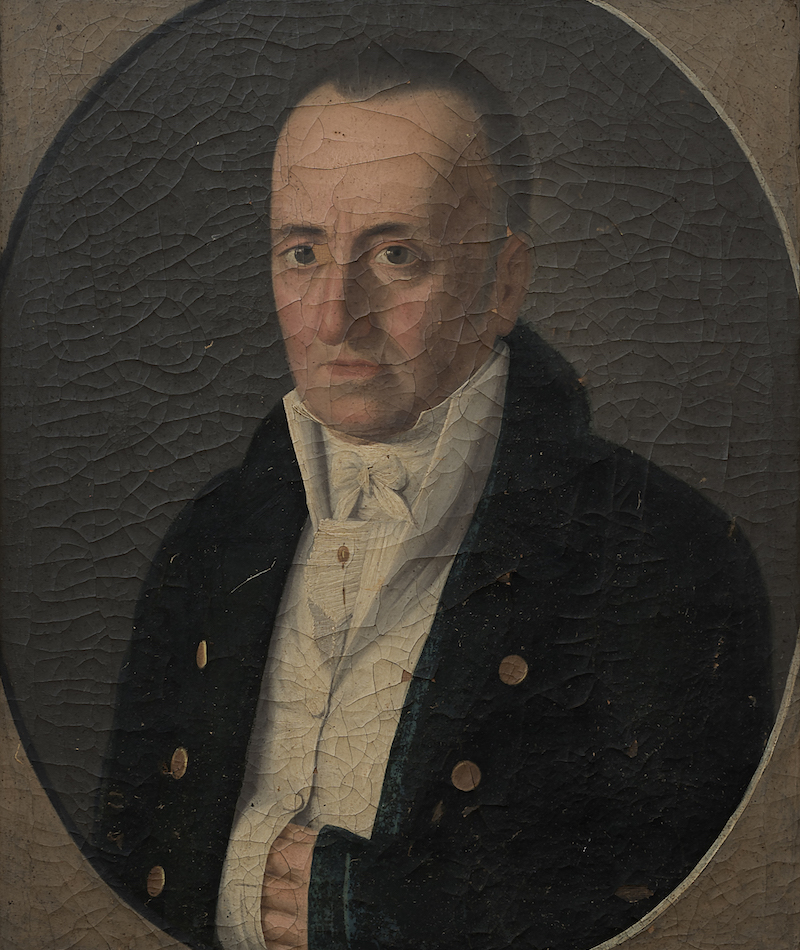
Bernat Ignasi Olives Olives
1st Count 1818-1833
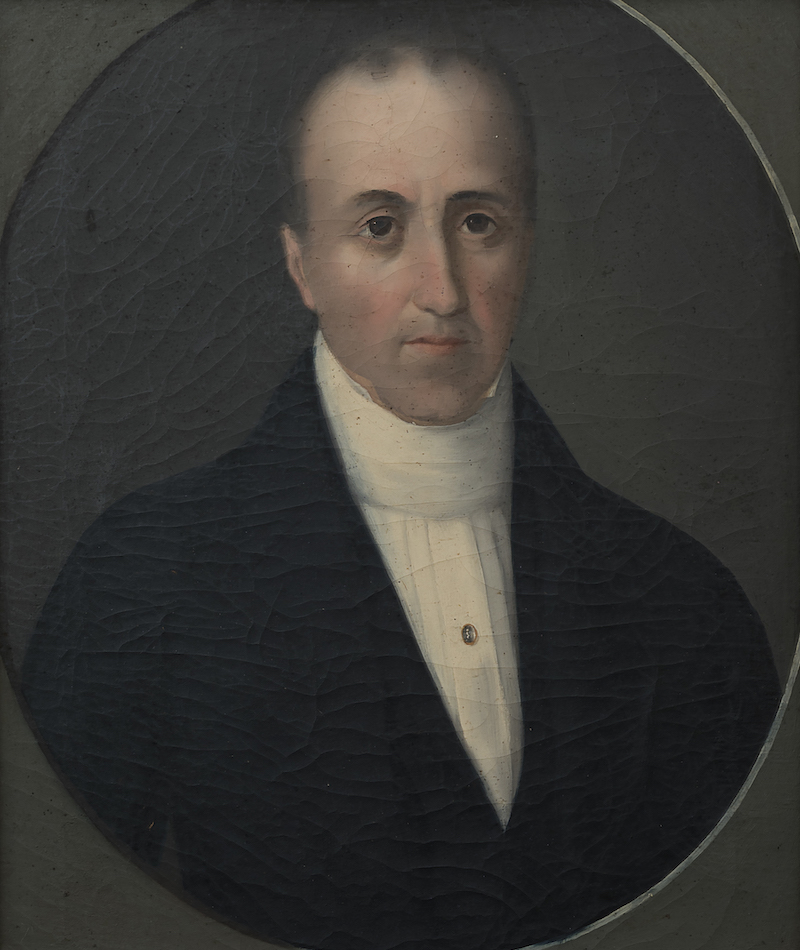
Bernat Magí Olives Squella
2nd Count 1833-1864
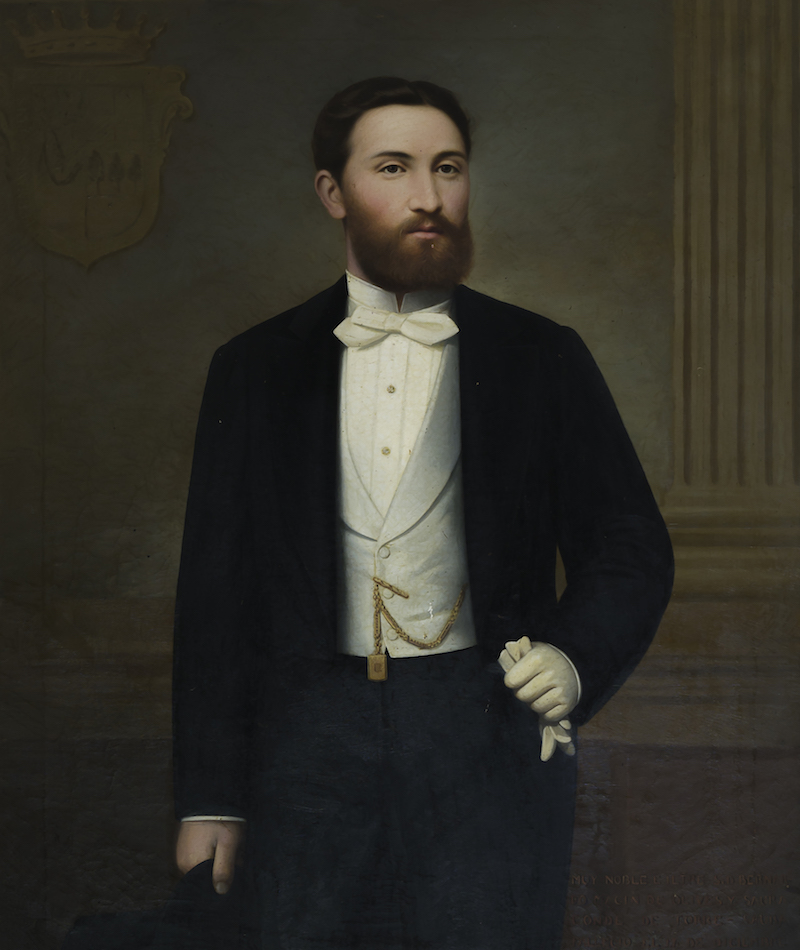
Bernat Magí Olives Saura
3rd Count 1864-1876
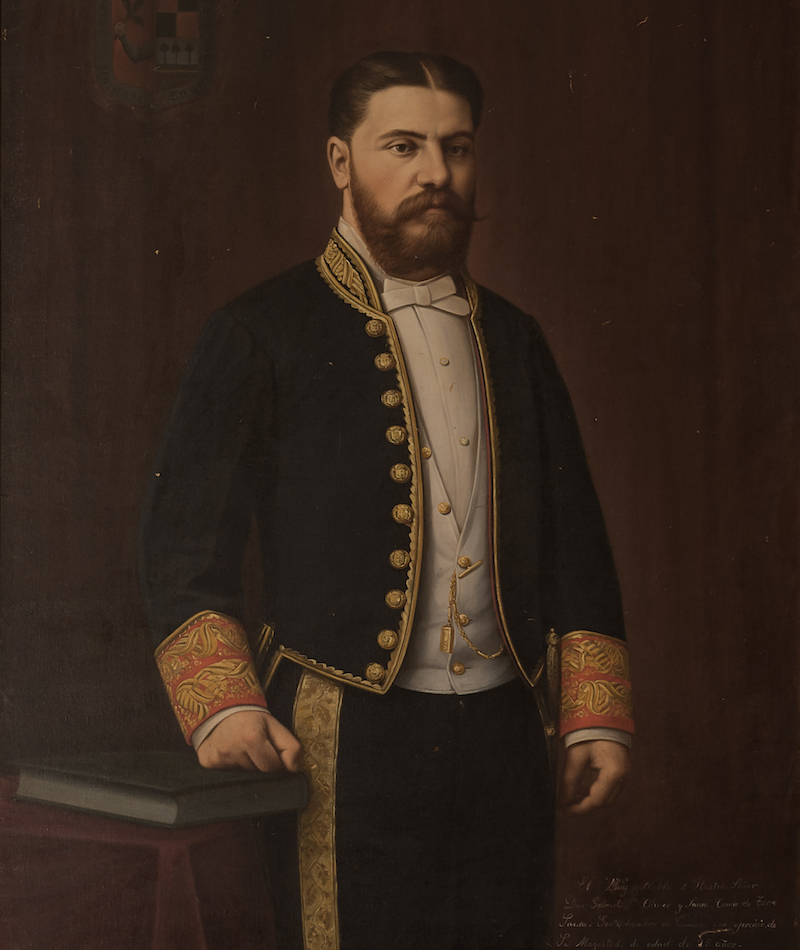
Gabriel Olives Saura
4th Count 1876-1902
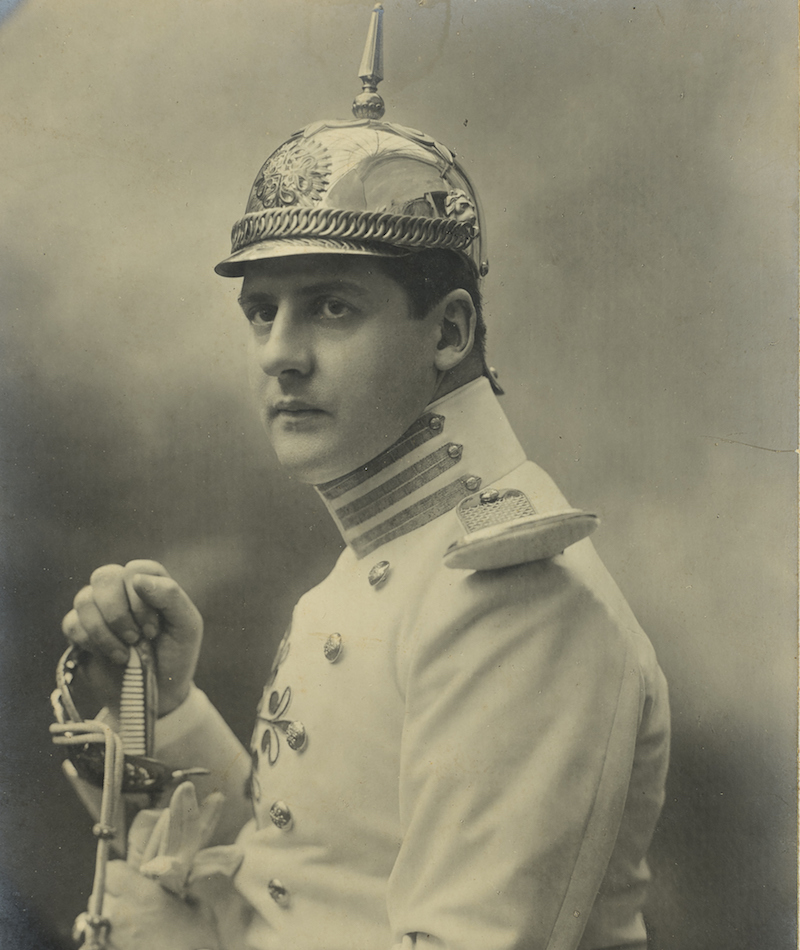
Bernat Ignasi Olives Olives
5th Count 1902-1966
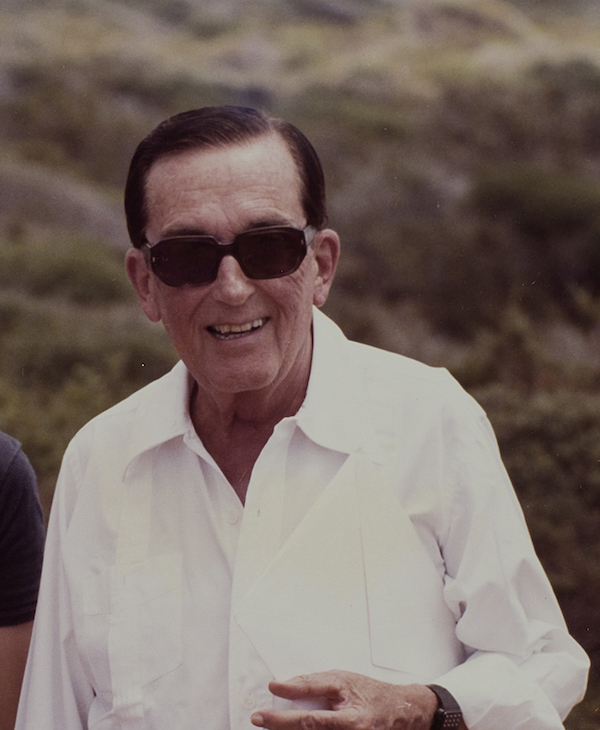
Josep Maria Olives Ponsich
6th Count 1966-1995
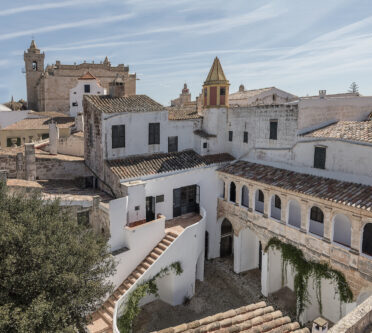
TORRE-SAURA PALACE
Street-level scenography.
The monumental Torre-saura palace gives travellers a sense of the high social standing of the family that commissioned and inhabited it. Covering an area of approximately 6,000 m2 and flanked by extensive neoclassical façades that open onto Major des Born Street and Es Born Square, it was designed in its current form in the 19th century. The result of successive renovations; the plans are the work of Ramón Gelabert and military engineer Ildefonso Hernández. The architectural style of the building, clearly contextualized in essence to Mallorcan’ peculiarities, presents in its conception strong reminiscences of Italian and French architecture.
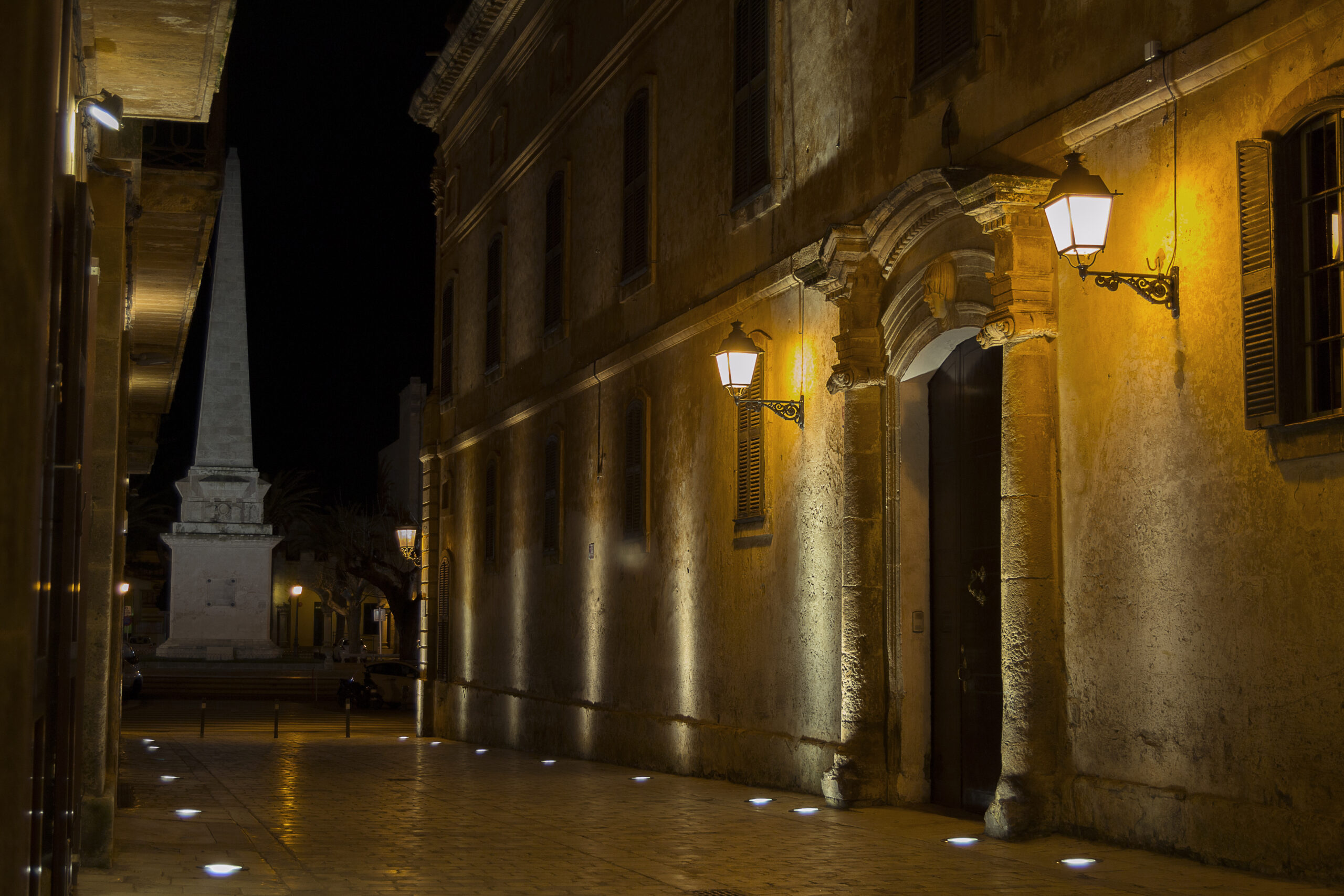
The façade on Major des Born Street, with its sober balance and great symmetry, houses the main
door of the palace, framed between two Ionic columns and crowned by the famous veiled face, whose
meaning has given rise to various legends and speculations. The most widespread refers to an
unfounded animosity towards the opposite house, although it is certainly a romantic symbol of
welcoming or hospitality without “looking” judging, or considering the visitor's status or origin. The
façade on Es Born Square consists of two large Italian-inspired loggias with semicircular arches
between pilasters with composite capitals, located at both ends of the façade, and a central doorway
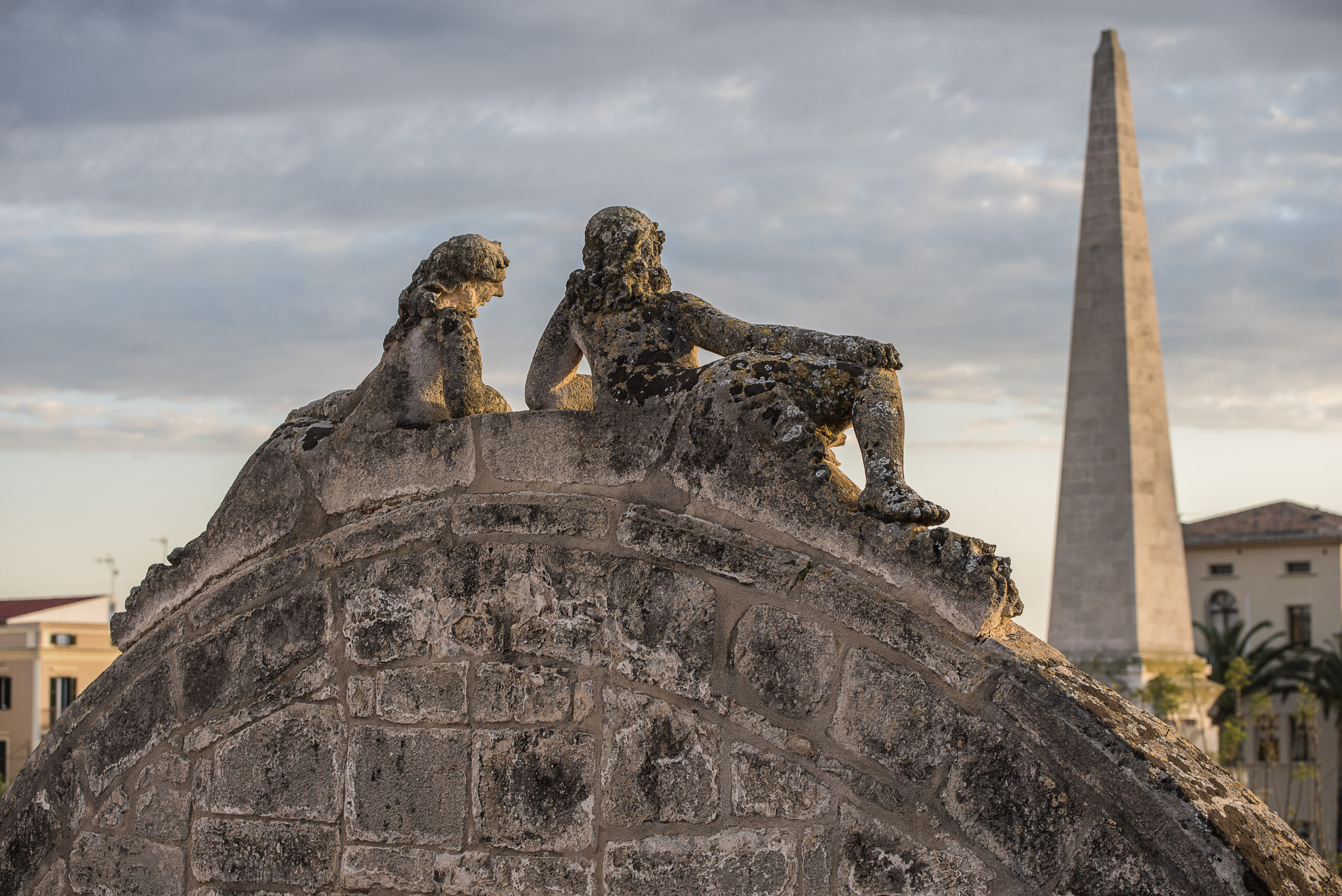
topped with the count's coat of arms. The building is crowned with twelve hydria vases decorated
with flowers located above the loggias and two distinguished busts on the balustrade that encloses the
upper terrace, on both sides of the carriage entrance.
The count's coat of arms contains the surnames Olives —represented by an armed arm holding an
olive branch—, Quart and Riudavets and it is inscribed with the biblical Latin phrase "Olibas habebis
in omnibus terminis tuis" (you will have olive trees in all your territories). On either side of the coat of
arms are winged chimeras with the head and half-body of a lion and the tail of a dragon. Two
imposing figures of Atlanteans guard the entrance, above which is carved a lion's head with a ring in
its mouth as an apotropaic element to ward off evil.