The Palace of the County of Torre-saura kicks off the 2026 season by opening to the public one of its most evocative and, until now, least accessible spaces: the old stables. This new addition to the tour itinerary reinforces the commitment of the Fundación José María de Olives y de Ponsich, Conde de Torre-saura to showcasing its historical heritage and offering visitors a more complete experience.
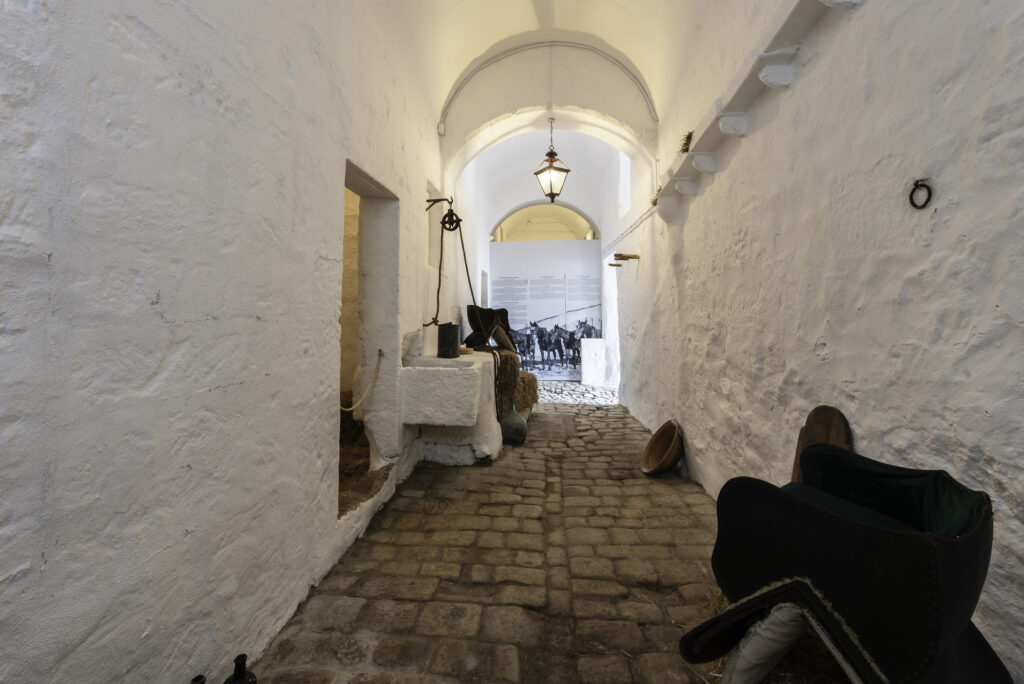
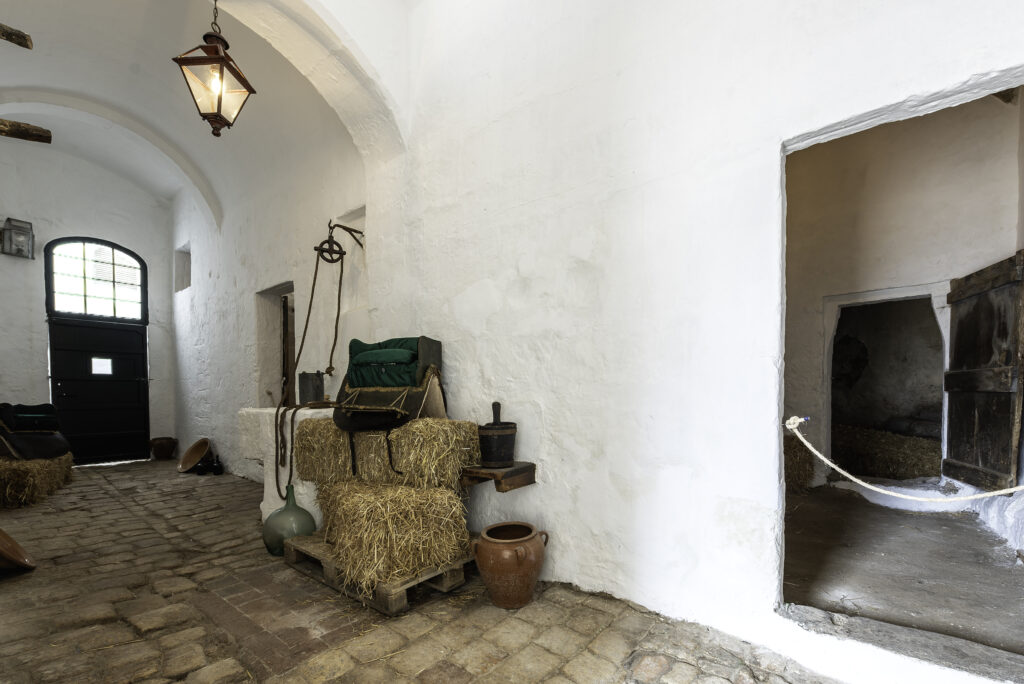
Located in the heart of the county palace, the stables constitute a unique space, as they are among the oldest parts of the architectural complex. Their sturdy walls, stone vaults, and cobblestone flooring create a space that preserves its original essence intact. These rooms, connected to the initial rooms of the tour, not only serve a structural function within the palace but also shed light on an essential part of daily life in bygone eras.
Historically, the stables were a reflection of social status. They housed the horses used for both ceremonial processions and the hardest tasks, such as transporting goods or performing domestic duties. In an era when roads were in poor condition and the pace of life was dictated by the countryside, these animals were indispensable, and their presence reinforced the prestige of the manor house.
Beyond their architectural value, the stables keep alive the memory of a past deeply tied to the land. In an era when the accumulation of land defined noble status, agriculture and livestock farming stood as the main economic and prestige pillars of the county of Torre-saura. This legacy remains present today, especially during the Sant Joan festivities, when horses from the estates linked to the house return to occupy the stables. During those days, they resume their original function in an atmosphere rich with scents, sounds, and tradition.
The new opening also helps contextualize the key role that livestock farming played in consolidating the family’s prestige. The push toward livestock breeding, especially during the tenure of the 5th Count of Torre-saura, placed the house in a prominent position within the Menorcan landscape. The awards won at specialized competitions and exhibitions reinforced the reputation of its stud farm, making it a benchmark. This development responded not only to an economic need but also to a vision of progress based on the improvement of the land and its resources.
In parallel with the opening of the stables, significant conservation and maintenance investments were carried out throughout the palace complex last winter. These efforts have made it possible, on the one hand, to prepare the stables for public visits and, on the other, to carry out various essential tasks to ensure the preservation of the building. Notable among these interventions are the inspection and improvement of certain roofs and the repair of various woodwork elements, among other actions, which contribute decisively to ensuring the proper conservation of the architectural complex.
With this new initiative, the Palace of the County of Torre-saura County expands its heritage narrative and invites the public to discover a space where history, tradition, and Menorcan identity come together, reaffirming its role as a key hub in promoting the island’s cultural legacy.